A Nervous Night on the Hunt County ARES Net
My name is Bob, KC5NET, and I was already sweating by 6:50 PM. I had agreed to run Net Control for tonight’s activation because our regular guy was out of town. I’d completed the training occasionally given by my local club’s ARES , I had participated in several directed net drills, I was Co-Net Control for the big exercise last fall — but this was my first time actually running a real weather net without my mentor. I kept repeating to myself, Just follow the procedures, stay calm, and try not to get anyone angry at me.
I sat down at the radio on the 146.780 repeater, checklists and log sheets spread out in front of me, mechanical pencil in hand, and took a deep breath.
At 6:53 PM I keyed up.
“This is KC5NET attempting to open the Hunt County ARES Severe Weather Net on 146.780. We’re under a Severe Thunderstorm Watch. Is there any check-in traffic?”
It all went downhill so very fast.
Mike, W5ABC, jumped in immediately: “Hey Bob, W5ABC out west of Greenville. Winds are already knocking my trash cans over. You want me to go mobile and chase this?”
Tom K1TOM called in “Hi Guys, Tom in Commerce. There’s some bad looking thunderheads forming southwest of Commerce, maybe over Greenville or Caddo. Looks like we’re in for a little excitement tonight. I hope everybody has their umbrellas!”
Sarah, KI5DEF, followed right behind him, sounding anxious: “Um, this is KI5DEF in Commerce… is this the right net? I saw lightning just now.”
Then Lisa, KD5JKL, started in: “KD5JKL in Quinlan. My dog is terrified and the power blinked twice. Should I open the church shelter?”
Stations began doubling. Mike tried talking directly to Tom about the clouds. I tried to answer everyone at once, my voice cracking: “Okay Mike… uh, maybe not drive yet… Sarah, yes this is the net… Lisa, I don’t know about the shelter right now…” I was losing control and I knew it. My stomach was in knots. I didn’t want to come across as bossy, but I also didn’t want to fail everyone.
That’s when Frank checked in.
“This is K5NWS, National Weather Service liaison, joining the Hunt County ARES net via AllStarLink from the Fort Worth office.”
His calm, professional voice cut through the chatter. I quickly acknowledged him, relieved to have an official presence on the net.
A few minutes later, around 7:35, Lisa was reporting that her power had blinked off again and Mike offered to start heading her way if she needed any help.
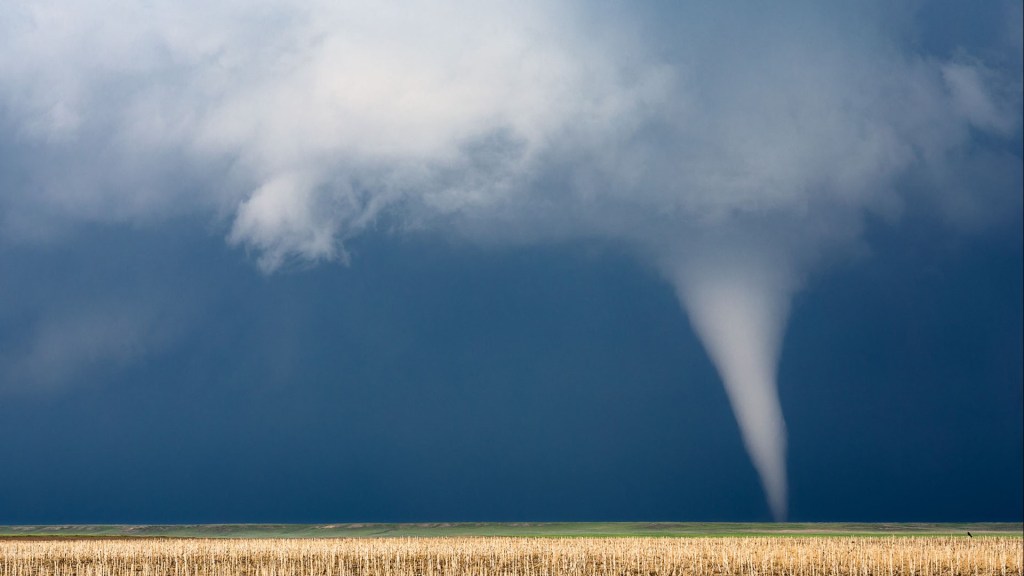
That’s when Tom N5GHI finally got a word through during a brief lull: “Net Control, N5GHI with priority traffic. I have a possible tornado on the ground three miles southeast of Caddo Mills, moving northeast. It’s small but definitely there.”
Tom had tried to check in at the beginning of the Net, he had doubled with someone. I had no idea he was even listening to the net!
Before I could even respond properly, several people started asking questions at once. My mind went blank again. Then Frank came back on, his tone serious but steady:
“KC5NET, this is K5NWS. Can you please obtain more details from N5GHI? We need location, movement, size, and any damage reports if available. The radar is showing a strong couplet in that area and we need ground confirmation right away.”
That moment hit me like a slap in the face.
People are in real danger right now. Families near Caddo Mills, possibly in the path. They’re depending on us — on me — to get this right. If I let the net stay chaotic, important information won’t get through. Frank wasn’t just asking for details; he was counting on me to manage the net so he could do his job at the NWS.
My training finally kicked in hard.
I sat up straight, took a slow breath, and keyed up with a much firmer voice:
“Attention all stations, this is KC5NET, Net Control for the Hunt County ARES Severe Weather Net on 146.780. This is a directed net. Everyone stand by unless you have emergency or priority traffic. N5GHI, you are priority — go ahead with your full tornado report.”
Tom gave a clear description. I copied every detail carefully, then read it back for accuracy. When he finished, I turned it over immediately.
“K5NWS, this is KC5NET. Here is the report from N5GHI…”
Frank acknowledged the information and thanked the net. From that point on, I ran it strictly by the book. I acknowledged check-ins properly, logged stations and their capabilities, asked for reports only when needed, and kept everyone else standing by. I politely but firmly told Mike he was not needed mobile at this time. I gave Sarah and Lisa their turns and noted the church shelter as a potential resource.
The small tornado lifted quickly with minimal reported damage and luckily no injuries. The storm continued east with heavy rain and gusty winds, but nothing more serious developed. By 9:15 the watch had expired and conditions were improving across Hunt County.
I closed the net cleanly:
“This is KC5NET securing the Hunt County ARES Severe Weather Net on 146.780. Thank you to all stations for your support, especially K5NWS for joining us tonight. All information has been passed to Emergency Management. This net is now closed.”
I leaned back in my chair, drained and shaken but proud. The first thirty minutes had been rough, mostly because I was scared of stepping on toes, but when Frank asked for that critical tornado information, it reminded me why we do this. People were depending on the net to work properly. From that moment on, I stopped trying to please everyone and started running the net the way I’d been trained.
Later that night, with two fingers of scotch in hand, I reflected on the night’s events and wrote down some notes for next time:
- Begin with a strong opening preamble. Let everyone know this is serious, set the tone.
- Shut down the chatter. This is not an informal net. Do your job and control the net.
- Ask for check-ins and acknowledge participants as they are checked in.
- Ensure you have everyone checked in, dig out those doubles.
- Ask for more check-ins occasionally.
- Re-announce the Net and purpose periodically as well. Let casual listeners and late-comers know the net is up and running.
- prioritize traffic, gather resources, stay professional. IF there is time to discuss non-emergency subjects, do so quickly and efficiently, but always maintain control. Emergencies happen fast.
- Use callsign suffixes instead of first names. Yes, Tom and I have known each other since the 3rd grade, but first names leave room for confusion. Which Tom am I talking about now?
- Establish a co-Netcontrol. Bathroom breaks are not optional.
But for a fairly routine Texas spring storm with one brief tornado sighting, we got the job done.
73 from KC5NET.


Leave a comment